If you’ve ever stood on a headland with the wind in your hair and salt on your lips, scanning the horizon for the telltale plume of a whale blow, you know it’s part magic, part patience, and part luck. But as someone who’s spent too many dawns squinting at whitecaps and arguing with binoculars, let me tell you — there’s a pattern to the madness. Whales aren’t on our schedule, but they do have habits, and knowing when to look can make the difference between a spine-tingling breach and a long stare at an empty ocean.
So, what’s the best time of day to see whales? Early morning and late afternoon generally give you the best shot. But there’s more to it than that. Light, weather, tides, and even the whales’ moods play a part. Let’s break it down — whether you’re heading off on a quick trip or a full-day return trip with experienced guides, timing is everything when it comes to spotting these majestic creatures in their natural habitat.
Sunrise vs Sunset: The Prime Hours Explained
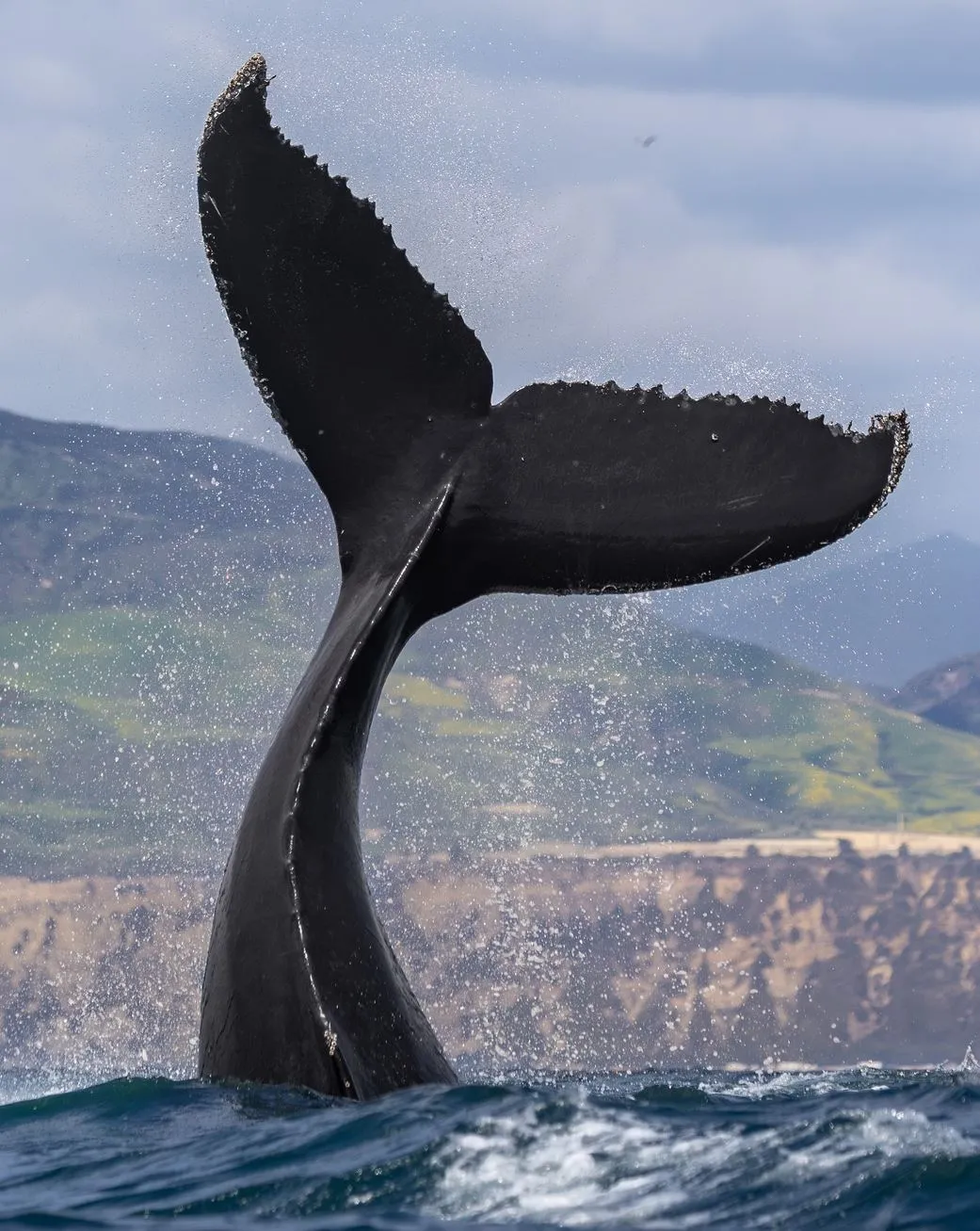
Early Mornings (6am – 9am)
- Calmer conditions: Mornings are usually less windy, which means fewer whitecaps and better visibility.
- Low glare: The angle of the sun is gentler, especially if you’re east-facing, so you can actually see that breach without being blinded.
- More whale activity: Some researchers reckon whales are more surface-active in the morning. Anecdotally, I’ve seen more breaches and spyhops before my second coffee.
- Less crowd: You’re not elbow-to-elbow with tripod-wielding tourists or on the usual motor cruises. Morning departures also mean you beat the bustle.
- Hot breakfast options: Some boat tours even offer a breakfast option — nothing like a fresh billy brew and a bacon roll as you experience whale magic on the water.
Late Afternoons (3 pm – 6 pm)
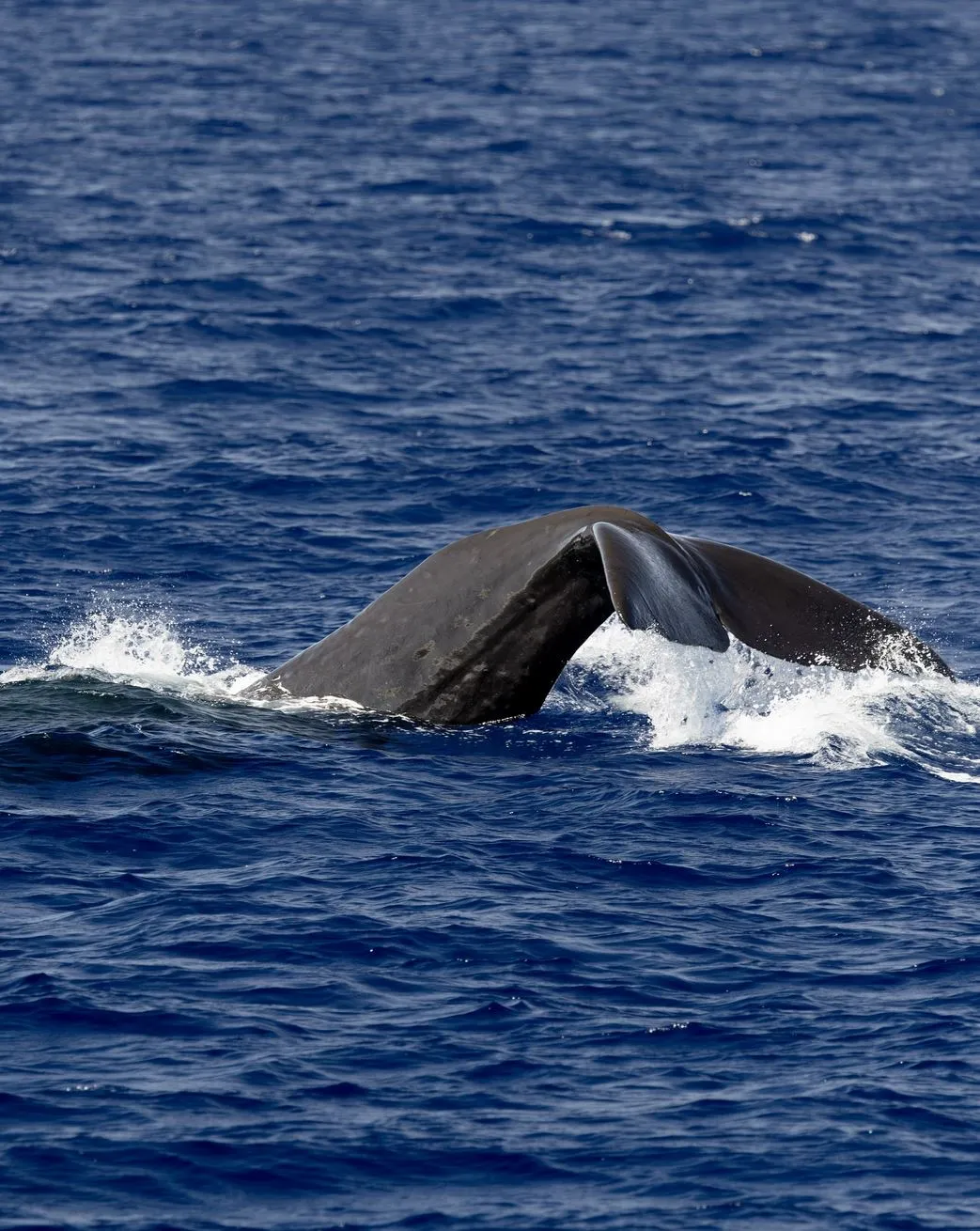
- Golden light: Great for photography — that silhouette of a tail against the setting sun? Pure magic.
- Feeding patterns: In some locations, whales may surface-feed more in the arvo.
- Wind returns: The sea breeze usually picks up by afternoon, especially on the coast, so visibility can drop.
- More boats: If you’re out on the water, it can get busy with dinner cruises and sunset sightseeing.
Midday (10 am – 2 pm): The Meh Hours
- Glare galore: Sun directly overhead = ocean mirrors. Bring polarised sunnies or prepare to squint.
- Busy beaches: Especially in summer, you’ll be dodging swimmers, surfers, and esky-toting families.
- Warmer waters: Might be nicer for you, but it doesn’t seem to draw more whales.
- Lunch option: If you’re doing a longer boat tour, it’s a good time to enjoy a fresh lunch menu while you wait for the next surfacing.
It’s Not Just the Clock
Tides and Currents
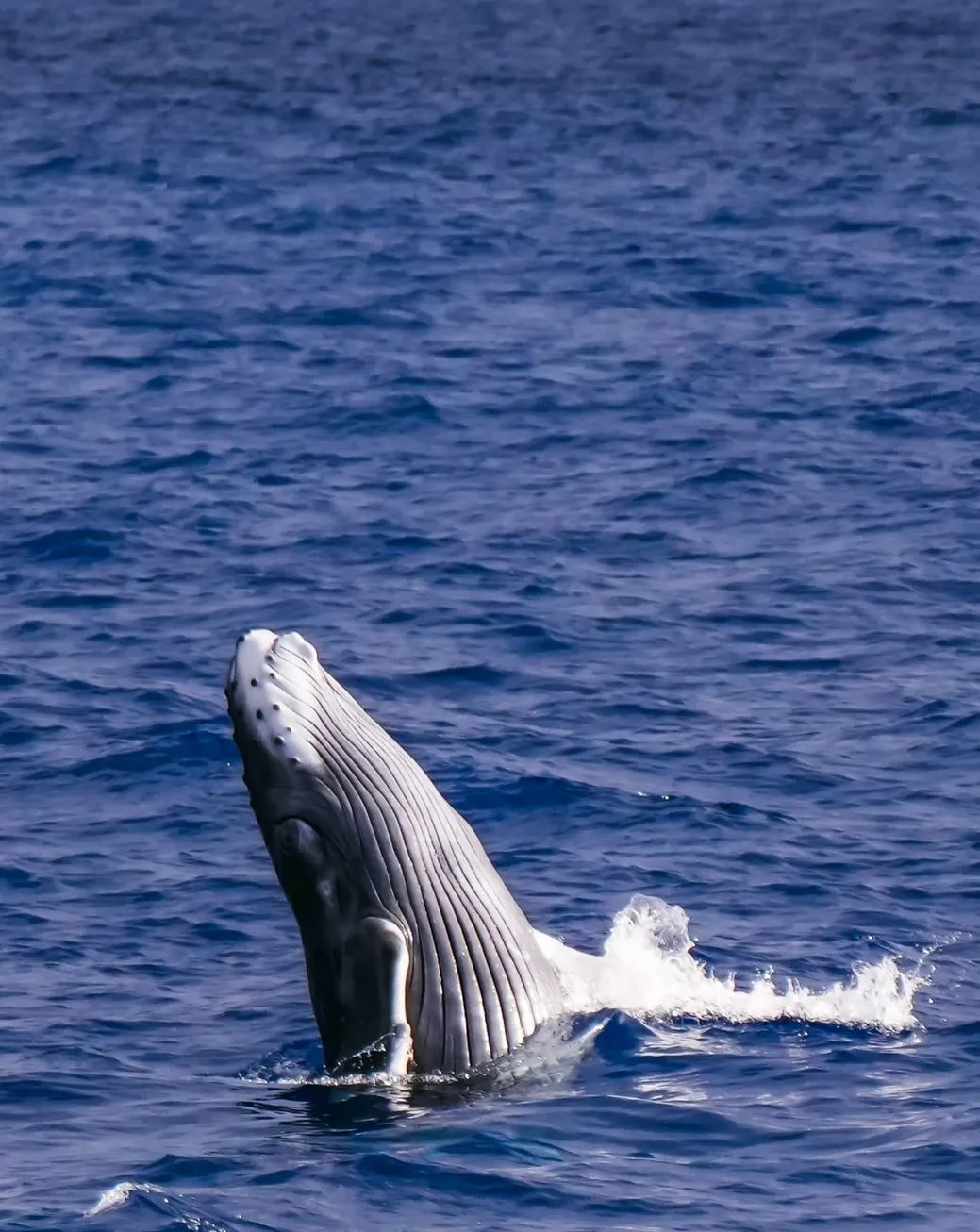
Whales don’t follow tide tables, but their food often does. In places where humpback whales or southern right whales feed close to shore, rising or slack tides might bring baitfish in, followed by big, hungry mouths.
Wind and Swell
- Light winds = good whale days
- Onshore winds push scent and sound toward land, which may help whales navigate closer to shore.
- Swell: Moderate swell can stir things up and create surface action, but anything over 2 metres? Stay home, make tea.
Light and Visibility
- Polarised sunglasses make a huge difference. You’ll see shapes and movement below the surface.
- Sun angle: Mornings on east-facing coasts (like NSW) are ideal. Afternoons work better on the West Coast.
Best Times by Region
East Coast (NSW, QLD)
- Best time of day: Early morning
- Season: May to November (northbound then southbound migrations)
- Tip: Headlands like Cape Byron or Point Lookout offer high vantage points and sweeping views.
- Add-on: Take a beach access path down to quieter sands between lookouts for potential close-up views.
South Coast (Vic, SA, TAS)
- Best time of day: Morning or late arvo (depending on wind)
- Season: June to October
- Tip: Southern right whales love sheltered bays like Warrnambool’s Logan’s Beach. Walking tracks from car parks offer great outdoor viewing without needing a boat. A Great Ocean Road trip through this region offers multiple fantastic spots to pull over and scan the horizon.
West Coast (WA)
- Best time of day: Afternoon (especially if you’re watching west-facing coastlines like Exmouth or Albany)
- Season: June to November
- Tip: Bremer Bay is orca central in summer, and they love the midday action. Expect expansive views and plenty of time to explore.
Top End (NT)
- Not a whale hotspot for the usual suspects, but you might spot false killer whales or dolphins in the dry season mornings.
- Bonus: The coastal views here offer a fascinating history lesson in themselves.
My Whale Watching Kit
- Polarised sunnies
- 8×42 binoculars (waterproof, if you can)
- Reusable water bottle
- Small notebook for sightings (yes, I’m that kind of nerd)
- Layered clothing (sunrise chills turn to midday swelters)
- Patience
Story from the Cape
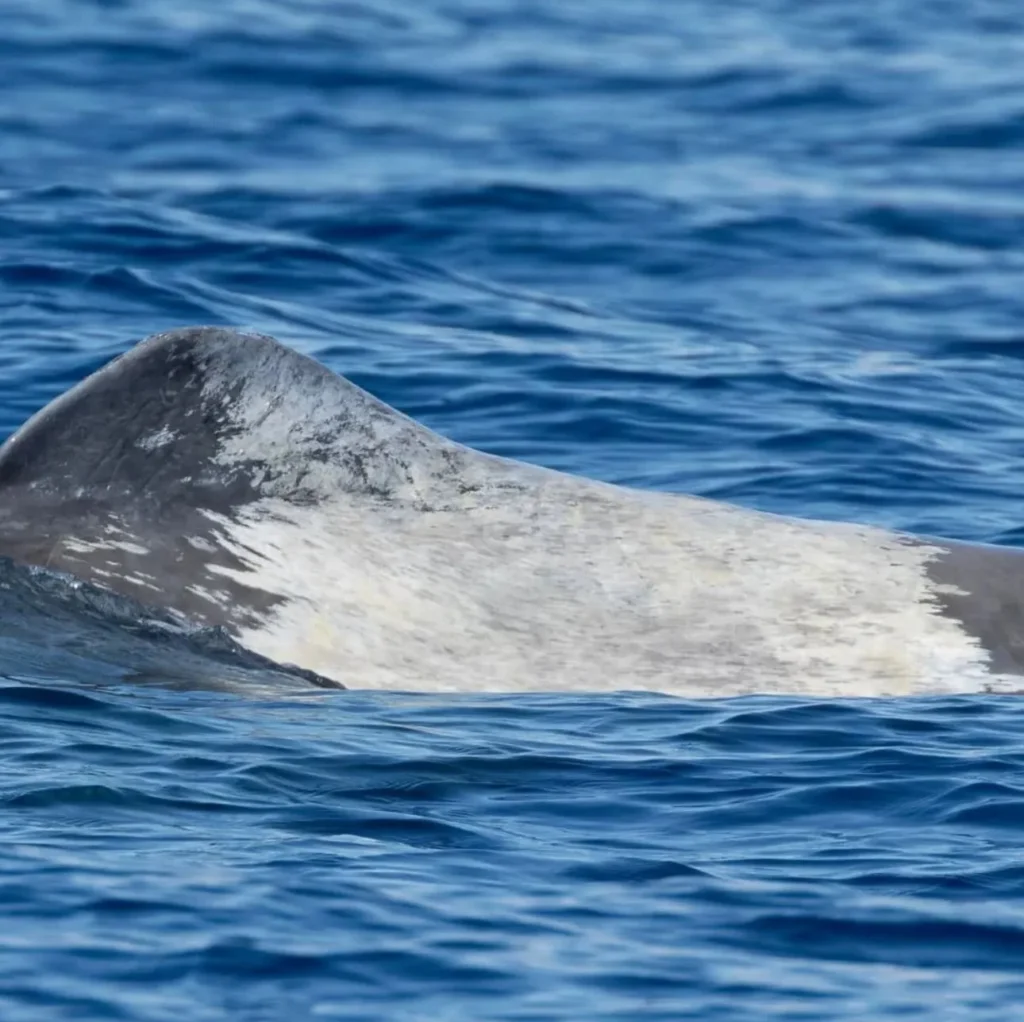
One July morning at Cape Solander, I was on the cliff by 6:15 am, thermos in hand. By 6:45 am the ocean lit up: two humpbacks breaching in tandem, then a third lobtailing nearby. The sun was low, lighting the spray gold. By 8 am the show had moved offshore and by 10 am the only action was seagulls bullying a chip packet.
It was one of those mornings that makes you believe the whales are watching you. That’s why this is my favourite spot — you get ocean views, whale action and a good walking track back to the car park.
Final Thoughts
Whale watching isn’t just about showing up at the right hour. It’s about tuning into the rhythms of the sea. Get to know your coastline, learn the prevailing winds and watch the tides. Understand the migration patterns and natural environment of these amazing creatures. Pack patience alongside your camera.
And next time you’re up before sunrise with a billy on the boil and a whale on the horizon? Give a nod to the ocean — she’s running the show.
From comfortable vessels to accessible travel options, great spots in national parks to favourite lookout benches, every detail matters when you want to experience whale sightings the right way — close to nature, respectful and unforgettable.
If you’re mapping out a Great Ocean Road tour along the southern coast don’t forget to pencil in a few early morning stops at known whale hotspots — it’s the kind of detour that turns a scenic drive into an unforgettable encounter with the deep.
FAQ
Do whales breach more in the morning?
Yes. Anecdotally, mornings are more likely to see surface behaviour like breaching, tail slaps and spyhops – especially in calm conditions. Scientists are still working it out.
What’s the worst time to whale watch?
High noon with strong wind and glare. They may be there but good luck seeing them.
Can I see whales without a boat?
Absolutely. Many of Australia’s best whale sightings are from land: lookouts, headlands, cliffs. Just bring patience and maybe a picnic.
Does the moon phase affect whale watching?
Some say full moons stir up feeding activity (more tidal movement) but there’s no consensus. Check the swell forecast instead.
Are mornings always best in every location?
Not quite. On west facing shores like WA, afternoons can be magic. It depends on light direction, wind and local conditions.